Building a backyard shed can be a rewarding project that adds value to your home. Whether you’re looking for a place to store your gardening tools or a workshop for your crafts, a shed provides an excellent solution. This guide will walk you through each step of the process, offering practical tips to ensure your project is a success.
Site Preparation and Land Clearing
Before you begin any physical construction, proper site preparation sets the tone for the entire project. A clean, well-prepared area reduces long-term structural issues and helps ensure your shed remains level and stable over time. In many cases, hiring a land clearing company is the most efficient way to remove trees, dense brush, stumps, or embedded rocks that would otherwise interfere with construction. Beyond simple clearing, the ground should be evaluated for slope and drainage. Water runoff is one of the most common causes of foundation failure, so it’s important to avoid low spots where water can pool. If necessary, minor grading or adding compacted fill dirt can help create a more even surface that promotes proper drainage away from the structure.
It’s also important to identify any underground utilities before digging or staking out the footprint. Marking utility lines helps prevent costly damage and ensures safety during excavation. Many regions also require permits or zoning approval before altering land use, so checking local regulations early can prevent delays later in the build. Once clearing and initial preparation are complete, remove remaining debris such as roots, branches, and organic material that could decompose and shift the soil. Planning for responsible disposal—whether through composting, municipal yard waste collection, or hauling services—keeps the site organized and environmentally compliant.
Planning and Design
The planning and design stage transforms your idea into a buildable structure. Start by defining the shed’s primary purpose, since storage needs, workshop use, or equipment housing will all influence dimensions, layout, and structural requirements. A simple utility shed differs significantly from a more complex design inspired by modern agricultural or the offerings from barndominium companies. Once the purpose is clear, focus on dimensions, door placement, and interior flow. Think ahead about how large items will enter and exit the structure, and whether shelving, lofts, or partitions will be needed. A well-thought-out layout reduces future modifications and improves long-term usability.
Design tools such as CAD software or online shed planners can help visualize proportions and identify structural issues before construction begins. If the design becomes complex, consulting a professional builder or structural designer can ensure the framing meets load-bearing requirements, especially in areas with heavy snow or strong winds. Climate should also heavily influence design decisions. Roof pitch affects snow shedding and water runoff, while ventilation prevents moisture buildup that can lead to mold or material degradation. Proper window placement can improve natural lighting and airflow, reducing reliance on artificial lighting and reducing heat buildup in warmer months.
Choosing the Right Supplies
Selecting building supplies is one of the most important factors in determining how long your shed will last. Your choices should balance durability, cost, and environmental exposure. Pressure-treated lumber is commonly used for framing and ground-contact components because it resists moisture, rot, and insect damage. For exterior walls, options such as plywood, engineered wood panels, or custom metal buildings each offer different benefits. Metal siding tends to require less maintenance, while wood provides easier customization and insulation options. Regardless of the material, proper sealing and finishing will extend its lifespan significantly.
Fasteners also play a critical role in structural integrity. Exterior-grade screws, galvanized nails, and corrosion-resistant connectors help prevent weakening over time, especially in humid or wet climates. Using the correct fastener type for each material ensures a tighter and more durable assembly. Additional materials such as moisture barriers, house wrap, insulation, and sealants should not be overlooked. These components help regulate temperature, reduce condensation, and protect internal framing from weather exposure. Investing in higher-quality materials upfront often reduces maintenance costs and repairs later.
Foundation and Framing

The foundation serves as the backbone of your shed, so choosing the right type is essential. Common options include concrete slabs, pier foundations, and skid foundations. A concrete slab offers maximum stability and longevity, while skids or piers can be more cost-effective and easier to install on uneven terrain. Anchoring the structure securely is another key step. Using anchor bolts or tie-down systems helps resist wind uplift and keeps the shed stable during storms. Skid-based sheds should also be checked periodically to ensure they remain level as the ground settles.
Framing is where the structure begins to take shape. Precision is important when measuring and cutting lumber, as even small errors can affect wall alignment and roof stability. Standard framing techniques, such as spacing studs evenly and reinforcing corners,s help ensure long-term strength. If specialized tools are required, equipment rental, such as nail guns, concrete mixers, or laser levels, can improve efficiency and accuracy without requiring a large upfront investment. Many rental providers also offer guidance on proper tool use, which can be helpful for less experienced builders.
Roofing and Siding
Roofing and siding protect the shed from environmental exposure and greatly influence its overall durability and appearance. Metal roofing is a popular choice for its longevity, resistance to fire, and low maintenance requirements. Asphalt shingles, on the other hand, remain widely used due to their affordability and ease of installation. Regardless of material choice, proper roof layering is essential. Underlayment adds a moisture barrier beneath the outer roofing material, while drip edges help direct water away from the structure. Flashing around joints, vents, and edges prevents leaks in vulnerable areas where water intrusion is most likely.
For siding, material choice should reflect both aesthetic preference and environmental conditions. Vinyl siding offers low maintenance and weather resistance, while wood siding provides a traditional appearance but requires more upkeep. Metal siding is highly durable and pairs well with modern shed designs. Proper sealing is the final step in exterior completion. Caulking seams, painting exposed surfaces, and ensuring tight panel alignment all contribute to weather resistance. In some cases, consulting masonry services or exterior finishing professionals can help achieve a more polished and durable result, especially when integrating stone or concrete design elements.
Doors and Windows Installation
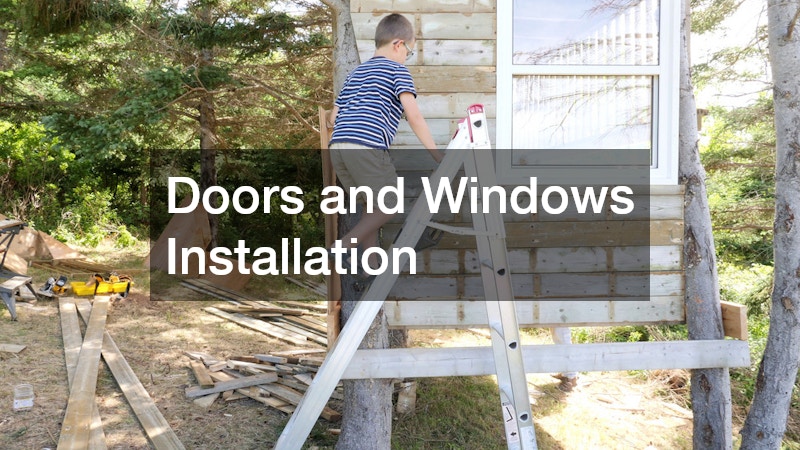
Installing doors and windows is a key step that bridges structural completion with everyday usability. Doors determine how easily you can move equipment, tools, or bulky items in and out of the shed, so their size and placement should be planned around real use cases rather than just aesthetics. Double doors or sliding barn-style doors are often preferred for larger storage sheds because they maximize clearance without requiring excessive interior swing space.
Windows contribute both functional and environmental benefits. Natural light reduces the need for artificial lighting during daytime use and improves visibility for detailed tasks. Proper placement can also enhance cross-ventilation, helping regulate temperature and reduce moisture buildup inside the structure. Even a small shed can feel significantly more open and usable with well-positioned windows.
Accurate installation is critical to ensure long-term performance. Frames must be level, square, and properly shimmed so that doors open smoothly without binding and windows remain airtight. Improper alignment can lead to air leaks, water intrusion, or premature wear on hinges and seals. Using flashing tape and waterproof membranes around openings adds an extra layer of protection against moisture penetration.
Finally, proper sealing and finishing complete the installation. Exterior-grade caulk around trim edges and window frames ensures a tight seal against the elements. Taking time with these finishing details significantly improves both durability and energy efficiency while enhancing the overall appearance of the shed.
Electricity and Lighting Considerations
Adding electricity to your shed dramatically increases its usability, transforming it from a simple storage space into a functional workshop or multipurpose area. The first decision is determining whether to extend a permanent electrical line from your home or rely on independent systems such as solar power or portable generators. Each option has trade-offs in cost, convenience, and long-term reliability.
For off-grid or backup setups, solar panel systems with battery storage can provide a sustainable alternative. These systems are especially useful for sheds located far from the main home or used intermittently. However, they require careful planning to ensure sufficient capacity for lighting, tools, or equipment charging. Backup power solutions such as portable generators can provide additional reliability during outages or high-demand periods. If used, generators should be placed in a well-ventilated outdoor area with clear access for fueling and maintenance. Safety considerations, including carbon monoxide prevention and proper grounding, are essential for safe operation.
Storage Optimization

Efficient storage design is what turns a shed from a cluttered space into a highly functional work environment. The goal is to maximize vertical and wall space while keeping frequently used items easily accessible. Installing wall-mounted shelving, pegboards, and overhead racks helps free up floor space and improves organization. Before installing storage systems, it helps to categorize items based on frequency of use and type. Everyday hand tools should be kept within arm’s reach, while seasonal or rarely used equipment can be stored higher or deeper within the shed. This layered approach reduces time spent searching for items and keeps the workspace clear.
Custom storage solutions can significantly improve usability. Built-in cabinets, rolling tool chests, and modular storage systems allow the layout to evolve as needs change. Much like professionally designed storage in residential builds, tailored solutions ensure every inch of space is used efficiently without feeling cramped. Finally, storage optimization should be treated as an ongoing process. Periodically reassessing the layout allows you to adjust for new tools, changing projects, or seasonal equipment. A flexible organization system ensures the shed remains functional and efficient long after the initial setup.
Maintenance and Upkeep
Regular maintenance is essential to preserving both the structure and functionality of your shed. Over time, exposure to weather, temperature changes, and general wear can lead to issues such as leaks, wood rot, rust, or pest intrusion. Addressing these problems early prevents minor damage from escalating into costly repairs. A seasonal inspection routine is highly effective. Checking the roof for missing shingles or loose panels, examining siding for cracks or warping, and inspecting doors and windows for proper sealing helps identify vulnerabilities before they worsen. Gutters and drainage areas should also be cleared regularly to prevent water buildup near the foundation.
For sheds that include electrical systems, periodic checks of wiring, outlets, and lighting fixtures are important for safety. Any signs of wear, overheating, or inconsistent power should be addressed immediately by a qualified professional. If a generator is part of the setup, routine testing ensures it remains operational when needed. Maintaining a simple checklist helps keep upkeep organized and consistent. Scheduling maintenance tasks quarterly or seasonally makes the process more manageable and reduces the likelihood of overlooked issues. A well-maintained shed not only lasts longer but also remains safer and more efficient to use.
Enhancements and Customizations
Once the basic structure is complete and functional, enhancements can transform the shed into a more personalized and versatile space. Depending on your goals, it may serve as a workshop, hobby room, studio, or even a small relaxation retreat. Customization allows the structure to better reflect both practical needs and personal style. Aesthetic improvements are often the first step. Painting the exterior, adding trim details, or incorporating landscaping around the shed can significantly improve its visual appeal. Simple additions like pathways, garden beds, or decorative lighting help the shed blend naturally into the surrounding yard.
Functional upgrades can further expand usability. Adding a small deck or covered awning creates a sheltered outdoor space for projects or storage. Interior improvements such as insulation, wall paneling, or upgraded flooring can make the shed suitable for year-round use, especially in extreme climates. Advanced customization might include built-in workstations, loft storage areas, or integrated utility systems. These additions require careful planning to ensure they align with structural limitations and local building codes. When properly executed, they can greatly enhance both comfort and efficiency.
Building a backyard shed is an achievable and worthwhile endeavor. By following the outlined steps and employing smart strategies, you can create a sturdy, multifunctional space. As you embark on this project, remember that preparation, quality materials, and regular maintenance hold the key to success, making your shed a lasting feature of your property.