
Buying a home is an exciting milestone that brings opportunities to create a space that reflects your lifestyle, preferences, and long-term goals. While moving into a new property is rewarding, it can also reveal areas that would benefit from updates. Outdated finishes, inefficient layouts, aging systems, and limited storage may inspire you to make changes that improve everyday comfort. Choosing timeless home improvements helps you avoid short-lived trends while investing in features that remain attractive and functional for years. Consider these helpful tips!
Upgrade Your Kitchen With Durable, Classic Materials
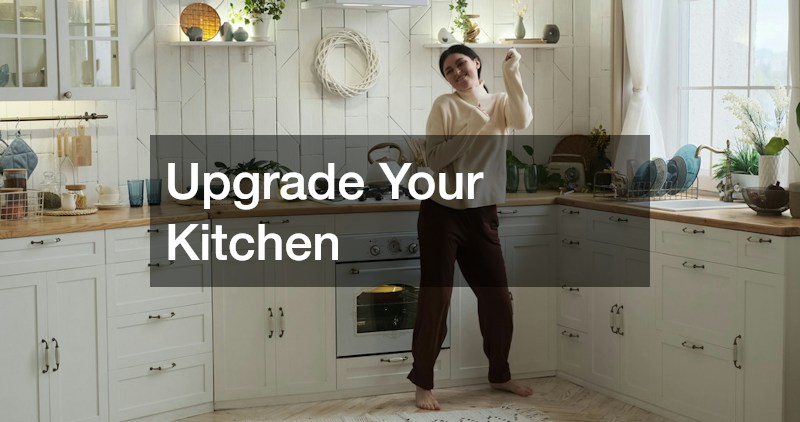
The kitchen is one of the most frequently used spaces in a home, serving as a place for meal preparation, family gatherings, and everyday conversations. When evaluating your new property, consider whether the kitchen’s existing surfaces, storage, and layout support your routine. Dated countertops, worn cabinets, or insufficient preparation space can make the room feel less functional than it could be. Thoughtful upgrades can improve usability while creating a polished appearance that remains appealing beyond changing design trends.
Natural stone surfaces are a popular option for homeowners seeking a combination of durability and visual appeal. Granite countertop installation can introduce distinctive patterns, rich colors, and a durable work surface that complements many cabinet styles. Because granite varies naturally, each slab offers its own visual character. Neutral shades can create a versatile foundation, while darker tones may provide contrast against lighter cabinetry. Before choosing a material, consider its maintenance requirements, edge profiles, finish, and compatibility with your existing kitchen design.
Countertops are only one part of a successful kitchen improvement. Adequate task lighting, accessible storage, and convenient appliance placement by a local general contractor can make everyday activities easier. Consider whether frequently used items are within reach and whether the work areas provide enough room for multiple people to prepare meals comfortably. Pairing durable surfaces with simple cabinet designs, timeless hardware, and a practical layout creates a kitchen that can adapt to changing household needs without requiring frequent cosmetic updates.
Improve Outdoor Privacy and Define Your Property
Your outdoor space plays an important role in how you enjoy your new home. A well-planned yard can provide room for relaxation, gardening, entertaining, and recreation while creating a more defined boundary between your property and neighboring spaces. If the existing yard feels exposed or lacks clear separation, consider improvements that balance privacy, appearance, and practical use. The right design should complement your home’s architecture while accommodating the characteristics of your property.
Fencing installation can help establish boundaries, create privacy, and provide a more secure environment for outdoor activities. Homeowners can choose from wood, vinyl, metal, and composite materials, each offering different visual qualities and maintenance requirements. A traditional wood fence may complement a classic home, while a simple metal design can suit a more contemporary property. Before choosing a style, review local regulations, property boundaries, utility locations, and any neighborhood requirements that may affect the project.
Consider how a fence will interact with the rest of your landscape. Positioning it alongside planting beds, trees, or outdoor seating areas can create a cohesive appearance instead of making the yard feel enclosed. You may also want to plan gates that provide convenient access to garden areas, storage sheds, or driveways. Durable materials and careful placement can help the fence remain useful and attractive for years, making it a worthwhile improvement for homeowners who value both privacy and outdoor functionality.
Plan Essential Infrastructure for Long-Term Reliability
Cosmetic updates can make a new house feel more personal, but essential infrastructure deserves attention before major decorating projects begin. Depending on the property’s age, location, and previous maintenance history, you may need to evaluate plumbing, drainage, wastewater systems, and other components that support daily living. Understanding their condition can help you prioritize necessary work and avoid investing heavily in finishes before addressing underlying concerns.
For properties that are not connected to a municipal sewer system, septic system installation may be necessary when an existing system is absent, unsuitable, or beyond repair. Septic systems must be designed around household wastewater needs, soil characteristics, site conditions, and applicable regulations. The process typically requires appropriate site evaluation, permits, and qualified installation. Homeowners should confirm that the proposed system complies with local requirements and is suitable for the property’s expected occupancy.
Even when a septic system is already present, it’s important to understand its age, maintenance history, and location. Ask for available records and learn where the tank and drain field are situated before planning landscaping, patios, driveways, or a local home addition. Avoid placing heavy structures or vehicles over areas that need to remain accessible or protected. Taking care of essential infrastructure early helps safeguard your investment and provides a more reliable foundation for future improvements.
Enhance Indoor Comfort With Efficient Cooling
Comfortable indoor temperatures contribute to a home that feels welcoming throughout the year. When buying a property, evaluate whether the existing cooling equipment adequately serves the size and layout of the house. Uneven temperatures, frequent equipment problems, or limited cooling in certain rooms may indicate that the system needs attention. Window orientation, insulation, air leakage, and the number of occupants can also influence indoor comfort and energy consumption.
AC installation may be worth considering when existing equipment is outdated, damaged, or unable to meet the home’s cooling requirements. Selecting the right system involves more than choosing a unit based on square footage alone. A qualified professional should evaluate the home’s layout, insulation levels, windows, air distribution, and other factors that affect cooling demand. Proper equipment sizing and installation can help maintain more consistent temperatures while reducing the likelihood of inefficient operation.
Homeowners should also consider the relationship between cooling equipment and the home’s overall energy performance. Sealing appropriate air leaks, improving insulation, and using suitable window coverings can reduce unwanted heat gain. Programmable temperature controls may provide additional convenience by adjusting settings around household routines. Before investing in new equipment, review the existing system’s condition and compare available options, operating costs, maintenance needs, and warranty coverage. A well-planned cooling upgrade can improve comfort while supporting more predictable household expenses.
Refresh Your Garage for Better Functionality
The garage often serves several purposes beyond vehicle storage. It may provide space for bicycles, seasonal decorations, tools, sports equipment, or a small workshop. However, an outdated garage door, poor lighting, and limited organization can make the area less useful. When evaluating your new home, consider whether the garage protects your belongings, offers convenient access, and fits your household’s storage needs.
Professional garage door installation can improve the garage’s appearance, operation, and security. Modern doors are available in numerous styles and materials, including steel, wood, aluminum, and composite options. Insulated models may also help moderate temperatures in attached garages, although the overall benefit depends on the home’s construction and how the space is used. When selecting a door, consider durability, insulation, hardware quality, appearance, and compatibility with the existing opening.
Because garage doors are heavy systems with powerful springs and moving components, installation and major repairs should be handled by qualified professionals. Homeowners can focus on choosing a design that complements the house and identifying useful additional features, such as improved lighting or convenient access controls. Once the door is in place, thoughtful storage solutions can help keep frequently used items accessible without crowding the space. These improvements can make the garage more practical while contributing to the home’s overall curb appeal.
Invest in Flooring That Endures Changing Trends
Flooring has a significant influence on how a home looks, feels, and functions. Worn carpet, damaged surfaces, or mismatched materials may make rooms feel disconnected, particularly when a previous owner has completed updates at different times. Replacing or refreshing flooring can create a more consistent appearance while improving comfort and maintenance. The best material depends on room use, household activity, moisture exposure, and the amount of care you are willing to provide.
Hardwood floor installations offer a timeless option that works well with many architectural styles. Wood flooring brings natural warmth and texture to living rooms, bedrooms, hallways, and other suitable areas. Traditional oak, maple, and walnut can complement both classic and contemporary interiors, while different stains and finishes allow homeowners to tailor the appearance to their preferences. Hardwood can also be refinished in many cases, helping extend its useful life and making it possible to refresh the surface without replacing the entire floor.
Before selecting hardwood, consider humidity levels, subfloor conditions, foot traffic, and the likelihood of spills. Solid wood and engineered wood have different construction characteristics, so the appropriate choice depends on the installation environment. Kitchens, bathrooms, and other moisture-prone spaces may require different flooring materials. Coordinating flooring colors throughout connected rooms can help the home feel larger and more cohesive. By choosing materials suited to each space, you can create a durable foundation for furniture, artwork, and future decorating changes.
Modernize Lighting and Electrical Features
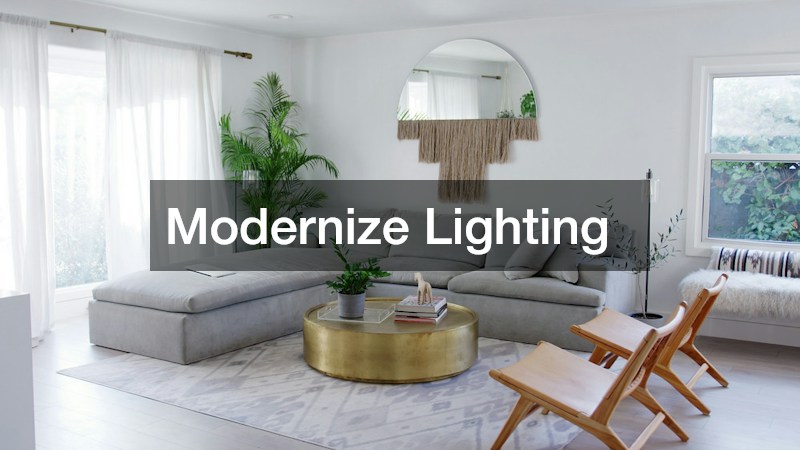
Lighting influences a home’s atmosphere, usability, and visual appeal. A property with dim rooms, outdated fixtures, or poorly placed switches may feel less comfortable than it could. Improving lighting can make everyday tasks easier while highlighting architectural details, artwork, and carefully selected furnishings. Start by evaluating how natural light enters each room and identifying areas that need better illumination during mornings, evenings, or overcast weather.
A local electrician can help assess electrical conditions and complete upgrades that require professional knowledge. Depending on the home’s existing systems, projects may include replacing outdated fixtures, adding suitable outlets, improving task lighting, or addressing electrical concerns discovered during an inspection. Older homes may require additional evaluation to determine whether the electrical panel and wiring can safely support planned appliances and renovations. Any work should comply with applicable codes and safety requirements.
Layered lighting often produces the most flexible results. Ambient lighting provides general illumination, task lighting supports activities such as cooking or reading, and accent lighting highlights specific features. Dimmers can make certain rooms more adaptable, while appropriately placed exterior lights can improve visibility around entrances and walkways. Choose fixtures with clean, enduring designs rather than relying entirely on short-lived trends. A well-considered lighting plan can make your new home more functional and comfortable without requiring a complete interior redesign.
Update Bathrooms for Comfort and Practicality
Bathrooms experience frequent daily use, making their condition important to both comfort and household maintenance. When you move into a newly purchased property, inspect the fixtures, ventilation, storage, and visible surfaces. Worn grout, inadequate lighting, limited counter space, and outdated faucets can affect the room’s appearance and convenience. Before making cosmetic changes, investigate any signs of moisture damage, leaks, or ventilation problems that could require more immediate attention.
Bathroom remodeling can range from modest improvements to a complete redesign. Replacing an outdated vanity, upgrading faucets, improving lighting, or installing a more functional shower enclosure can make a noticeable difference without changing the room’s entire layout. If the space requires more extensive work, consider storage needs, accessibility, cleaning requirements, and how many people use the bathroom during busy mornings. Neutral finishes and classic materials can create an enduring look that remains easy to personalize with towels, accessories, and artwork.
Water efficiency is another useful consideration when selecting new fixtures. Modern toilets, showerheads, and faucets may reduce water consumption while maintaining practical performance. Good ventilation also helps manage humidity and protect finishes from prolonged moisture exposure. If your renovation involves plumbing changes, waterproofing, or electrical work, use appropriately qualified professionals. Addressing these details during the project can help prevent future problems and create a bathroom that balances attractive design with reliable everyday function.
Timeless improvements do not require every finish to be neutral or every room to follow the same style. Instead, they rely on quality materials, thoughtful layouts, dependable systems, and choices that suit the people living in the home. Personal touches can be introduced through artwork, furniture, lighting, and accessories that are easier to change over time. With careful planning and the right professional support, your newly purchased property can become a welcoming, functional home that adapts to your needs and remains enjoyable for years to come.