Dealing with unwanted pests in your home or business can be stressful and disruptive. From ants and cockroaches to rodents and termites, infestations can damage property and create health risks if left untreated. While do-it-yourself treatments may provide temporary relief, they often fail to address the root of the problem. That’s why many homeowners turn to professional pest removal services.
Initial Inspection and Assessment
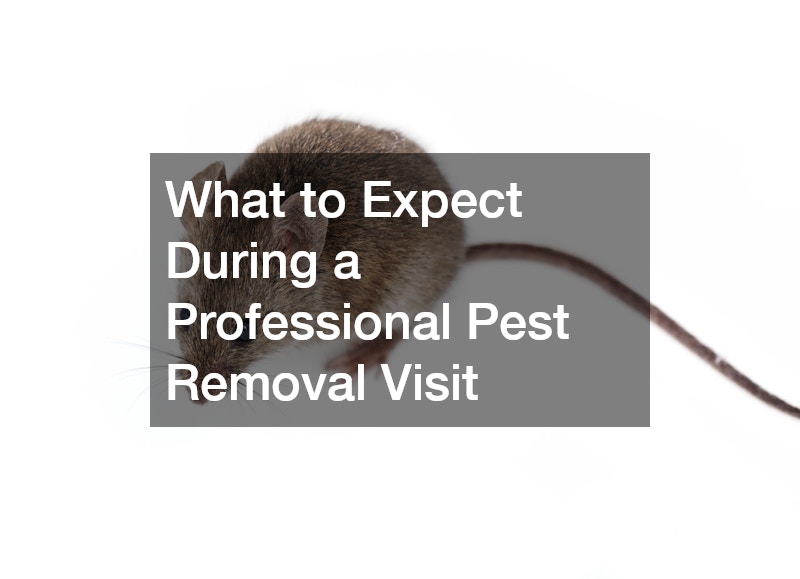
The first step in any professional pest removal visit is a thorough inspection. Pest control technicians begin by examining both the interior and exterior of your property to determine the type of pests present and the extent of the infestation.
This step is essential because different pests require different treatment methods.
During the inspection, technicians typically check common pest entry points and hiding areas such as:
- Kitchen cabinets and food storage areas
- Basements and crawl spaces
- Attics and rooflines
- Window frames and door seals
- Plumbing and utility access points
The technician may also ask you questions about what you’ve noticed, such as unusual sounds, droppings, damaged materials, or pest sightings. Your observations can help pinpoint where the pests are most active.
Once the inspection is complete, the technician will identify the pest species and determine the best strategy for pest removal. For example, treatment for termites will be very different from treatment for rodents or ants. This assessment allows professionals to develop a targeted plan rather than using a one-size-fits-all approach.
In many cases, the technician will also point out conditions that may be attracting pests, such as moisture problems, food debris, or structural gaps. Addressing these issues can prevent future infestations and make the pest removal process more effective.
Treatment and Pest Control Methods
After the inspection and assessment, the technician will begin the treatment phase. Professional pest removal services use a variety of methods depending on the pest type, severity of the infestation, and the layout of your property.
Some common treatment methods include:
Targeted chemical treatments: These may include sprays, dusts, or baits that are applied in specific locations where pests are active. Professionals use regulated products and follow safety guidelines to minimize risks to people and pets.
Baiting systems: Baits are often used for pests like ants, cockroaches, and rodents. The pests carry the bait back to their colony or nest, helping eliminate the infestation at its source.
Traps and exclusion methods: For rodents and larger pests, technicians may install traps or seal entry points to prevent further access to your home.
Specialized treatments: Certain infestations require unique approaches. For example, termite treatments may involve soil barriers or bait stations around the foundation of the home.
During the treatment process, technicians focus on areas where pests live and travel. Rather than spraying entire rooms, professional pest control is usually more targeted and strategic. This approach helps reduce chemical exposure while improving effectiveness.
You may be asked to take a few simple precautions during treatment, such as keeping pets away from treated areas or temporarily leaving certain rooms. Your technician will explain any safety steps you should follow before, during, or after the visit.
Prevention Tips and Follow-Up Services
A professional pest removal visit doesn’t end once the treatment is applied. Preventing future infestations is just as important as eliminating the current one. That’s why technicians often provide guidance on how to make your home less attractive to pests.
Some common prevention recommendations include:
- Sealing cracks and gaps around doors, windows, and foundations
- Fixing leaks and reducing moisture in basements or crawl spaces
- Storing food in sealed containers
- Keeping trash tightly covered and disposing of it regularly
- Reducing clutter that may provide hiding spots for pests
Your technician may also recommend ongoing maintenance services. Some infestations require multiple visits to fully eliminate the pests and monitor the situation. For example, rodent control or termite treatment may involve follow-up inspections to ensure the pest control plan is working as intended.
Regular pest control visits can help detect early warning signs before a small problem becomes a major infestation. Many companies offer quarterly or seasonal plans designed to keep homes protected year-round.
By combining professional treatment with preventative practices, homeowners can significantly reduce the chances of pests returning after a pest control service.
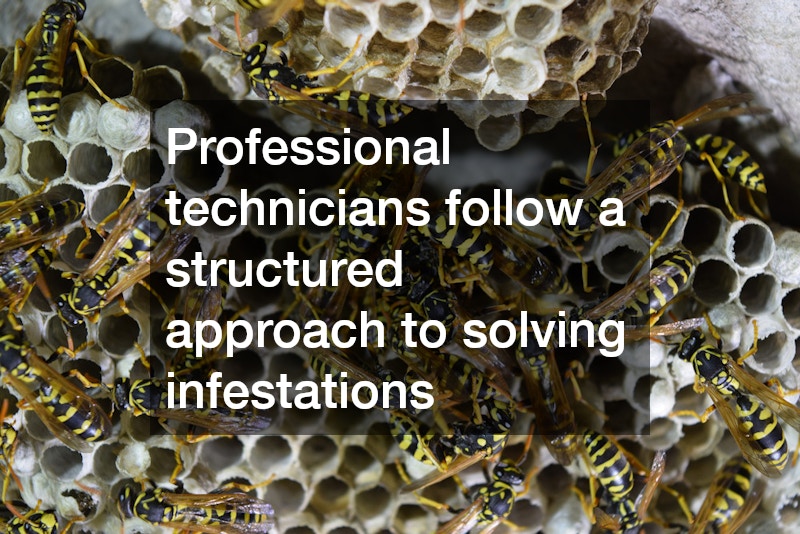
Scheduling a professional pest control visit can feel intimidating if you don’t know what to expect. However, the process is typically straightforward and designed to address the problem efficiently and safely. From the initial inspection and identification of pests to targeted treatment and prevention advice, professional technicians follow a structured approach to solving infestations.
A professional pest removal visit not only eliminates current pests but also helps identify the conditions that allowed them to enter your home in the first place. With expert guidance, effective treatment methods, and preventative measures, homeowners can regain peace of mind and maintain a healthier living environment.
If you suspect a pest problem in your home, contacting a trusted professional for pest removal is often the most reliable way to protect your property and ensure the issue is handled properly.