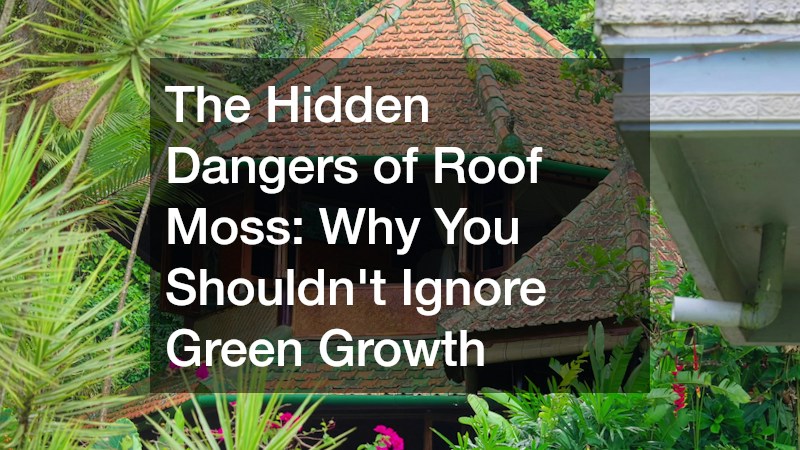
When home or property owners spot a patch of bright green moss taking root on their roof, it can be easy to dismiss it as a purely aesthetic quirk. To the untrained eye, a layer of moss can even give a house a charming, rustic appearance reminiscent of a secluded forest cottage. However, behind that soft, velvety texture lies a surprisingly destructive force capable of compromising your entire roofing system. What begins as a few scattered green spots can quickly multiply, leading to severe structural vulnerabilities and costly repairs if left unaddressed.
Moss thrives in damp, shaded environments where sunlight struggles to penetrate. Unlike typical plants that draw nourishment through deep soil roots, moss absorbs moisture directly from the surrounding air and rain through its delicate leaves.
Because asphalt shingles, wood shakes, and clay tiles retain organic dirt and atmospheric moisture, they provide an ideal breeding ground for moss spores. Ignoring this green growth allows it to establish a firm grip on your home, setting off a chain reaction of subtle but severe structural degradation.
How Moss Destroys Your Roofing Materials
The primary danger of moss lies in its remarkable ability to hold onto water. Acting much like a dense sponge, a mature patch of moss can absorb and retain many times its weight in water. When moss sits directly on top of your roof, it traps this trapped moisture constantly against your shingles, preventing them from drying out naturally under the sun. Prolonged moisture exposure erodes the protective asphalt granules covering your shingles, wearing away their primary defense mechanism against harsh weather and harsh ultraviolet rays.
As moss grows thicker, its fibrous root-like structures, known as rhizoids, work their way beneath the edges of individual shingles. As these structures expand, they lift the shingles upward and break their factory sealant strips. Lifted shingles create a direct pathway for wind-driven rain to enter the underlying roof deck. During cold winter months, the trapped water inside the moss undergoes repeated freeze-thaw cycles. As the water freezes, it expands dramatically, cracking shingles, widening minor gaps, and accelerating physical damage across your roof.
From Surface Moisture to Hidden Structural Damage
While the damage to shingles is significant, the real danger of roof moss is what happens underneath them. Once water bypasses the shingles, it reaches the roof felt and wooden sheathing below. Wood sheathing and underlying rafters are not designed to withstand chronic moisture exposure. Over time, persistent water infiltration leads to wood rot, weakening the structural integrity of your entire roof deck.
Once wood rot takes hold, it creates a hospitable environment for toxic mold and mildew growth within your attic space. Mold spores can easily travel through your home’s ventilation systems, deteriorating indoor air quality and posing health risks to occupants. Repairing rotted roof decking and performing mold remediation is far more complicated and expensive than treating minor moss growth early. Consulting an experienced roofing contractor at the first sign of widespread moss helps identify hidden moisture issues before they spread to your interior ceilings and drywall.
Common Mistakes in Moss Removal
Recognizing the dangers of moss often leads homeowners to take immediate, but unfortunately improper, corrective measures. One of the most common mistakes is attempting to blast the moss away with a high-pressure power washer. High-pressure water jets strip away the vital mineral granules embedded in asphalt shingles, drastically shortening the roof’s lifespan and potentially voiding manufacturer warranties.
Similarly, aggressively scraping moss with hard-bristled brushes or sharp metal tools can tear, crack, or dislodge fragile shingles. Using harsh, non-approved chemical cleaners like high concentrations of household bleach can kill surrounding landscaping and corrode metal flashing. To ensure moss is removed safely without causing collateral damage, hiring a qualified roofing contractor is the best course of action. Professionals utilize specialized soft-wash chemical solutions and low-pressure techniques specifically formulated to eliminate moss at the root level while preserving shingle integrity.
Proactive Strategies to Prevent Future Moss Growth
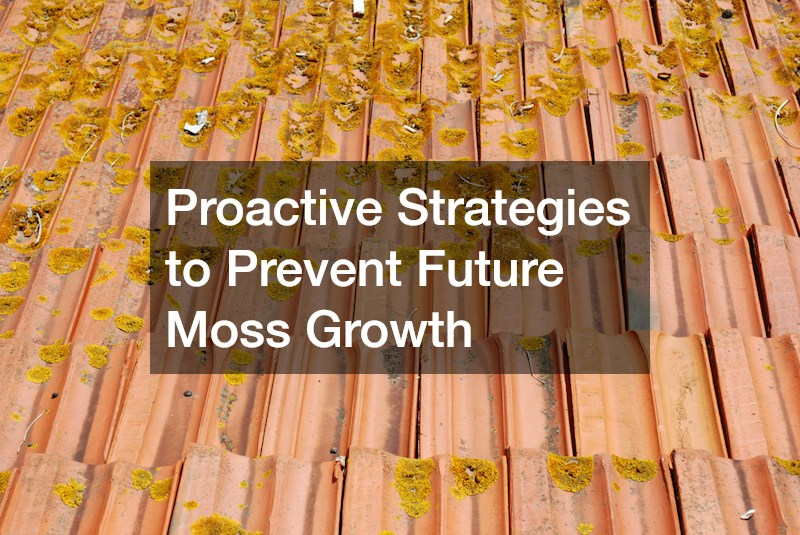
Eliminating existing moss is only half the battle; long-term prevention is essential to keeping your roof clear and healthy. Because shade and trapped moisture fuel growth, trimming back overhanging tree branches is one of the most effective preventive steps. Pruning trees opens up the canopy, allowing direct sunlight to dry your roof naturally and encouraging air currents to sweep away excess humidity.
Keeping your gutters thoroughly clean is another critical practice. Clogged gutters cause water to back up along the roof’s lower edges, creating ideal conditions for moss and algae to flourish. Additionally, installing zinc or copper strips along the roof ridge provides a long-lasting chemical barrier. When rainwater washes over these metal strips, it releases microscopic trace ions down the roof slope, creating an environment that inhibits moss and algae spores from taking root.
Protecting Your Investment Through Early Action
A roof is one of the most vital and expensive investments in any building, making regular maintenance essential for preserving your property’s value. While a patch of green growth might seem harmless today, ignoring it allows moisture to quietly erode your home’s primary line of defense against the elements. Taking proactive steps to address moss early prevents minor surface issues from escalating into major structural failures. By scheduling regular inspections with a trusted roofing contractor, you can catch moss growth in its earliest stages, keep your shingles in optimal condition, and protect your home for years to come.