This article delves into the common issues homeowners face with their HVAC systems and the necessary HVAC repairs they may require. Home heating, ventilation, and air conditioning systems (HVAC) are essential for comfort in modern households. Understanding the problems and behaviors of these systems can significantly reduce unexpected breakdowns.
Regular upkeep and awareness can transform a seemingly daunting task into manageable routine checks, saving both time and money. Through a comprehensive approach, homeowners can navigate HVAC issues with ease and confidence.
What are the most common HVAC problems?
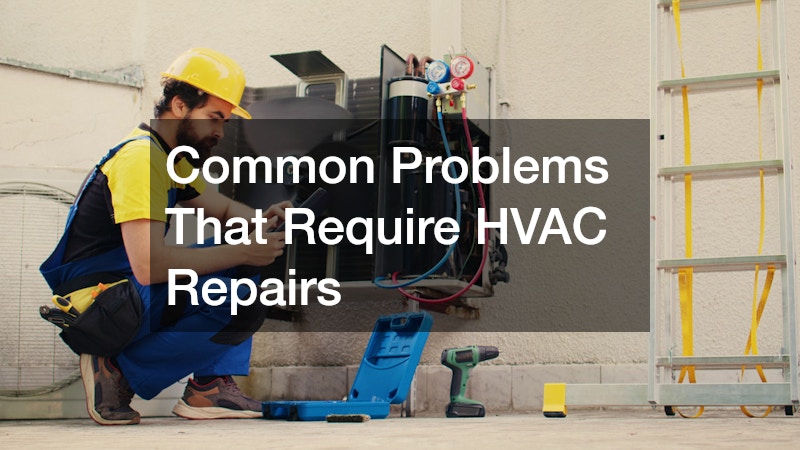
The most prevalent issues that HVAC systems encounter often stem from common component failures and simple wear and tear over time. One of the leading causes of HVAC malfunctions is a dirty or clogged filter. This restricts airflow and can cause the unit to work harder, leading to potential system overheating or failure. Leaky or poorly insulated ductwork can also reduce system efficiency by allowing the conditioned air to escape before it reaches its intended area. Regular inspection and timely replacement of filters and seals can prevent most of these issues from escalating.
An additional problem that arises frequently within HVAC systems is thermostat failure. A malfunctioning thermostat can lead to improper regulation of the home environment, causing the system to cycle faster, leading to higher utility costs. In some cases, issues with the wiring or calibration can be the underlying concern. Repairing or replacing the thermostat, especially with modern, programmable models, can enhance overall system performance and efficiency. Thus, understanding the principles of thermostat operation is vital in diagnosing potential irregularities and mitigating problems quickly.
Refrigerant leakages represent another common and serious issue in HVAC technologies. When refrigerant levels drop due to leaks, the overall cooling ability of the system is compromised, which could subsequently cause compressor damage if not addressed promptly. Detecting leaks typically requires specialized tools and expertise, emphasizing the importance of professional assessment. Moreover, increasing refrigerant levels or replacing faulty components can be more costly than regular checks and maintenance. Thus, ensuring the right refrigerant levels is key to prolonging system life and optimizing performance.
How can you identify HVAC problems early?
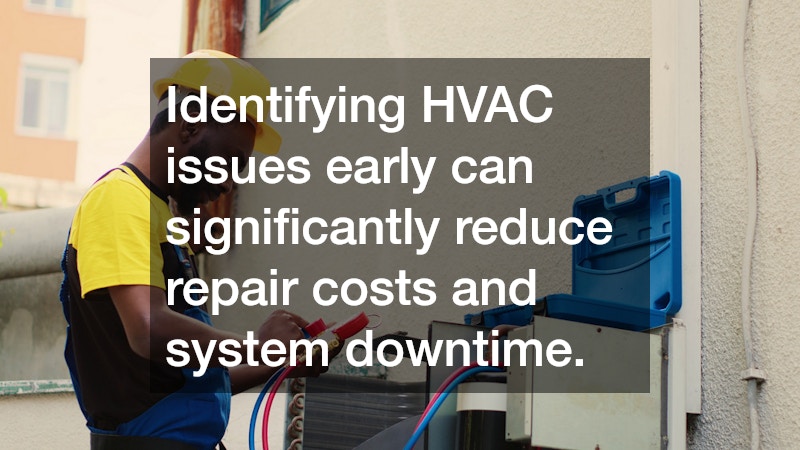
Identifying HVAC issues early can significantly reduce HVAC repairs costs and system downtime. One of the earliest indicators of a problem is unusual noise emanating from the unit, such as rattling, buzzing, or humming. These sounds can denote anything from loose parts to more significant mechanical failures. By attentively listening to changes in the system’s operation, homeowners can investigate sooner and minimize potential damages. Keeping an ear out for such disturbances is an effortless yet effective preventative step.
Another telltale sign of possible HVAC issues is fluctuating utility bills without a change in usage patterns. A steadily increasing bill can highlight inefficiency within the system, perhaps due to dirty filters, leaking ducts, or other faults requiring immediate attention. Addressing these matters as they arise can not only resolve the current issue but can also improve the overall efficiency of the HVAC system. Practical applications of maintenance like cleaning and inspections can maintain an equitable balance between operational costs and comfort. Therefore, closely monitoring billing trends is beneficial for households.
What are the impacts of neglecting HVAC maintenance?
The neglect of HVAC maintenance can have far-reaching negative effects both immediately and over time. Without regular cleaning and service, systems can suffer from decreased efficiency leading to higher energy consumption. Such inefficiency not only increases monthly utility expenses but also contributes to higher carbon emissions, impacting the environment. The burden of increased operation strain further accelerates the inevitable decline of HVAC components. Understanding these consequences underscores the importance of regular maintenance practices.
In the long term, neglecting HVAC maintenance results in costly repairs or even complete system replacement. Components such as the blower motor or heat exchanger become more susceptible to wear and deterioration when proper care isn’t maintained. An unplanned major repair or replacement not only financially influences a household budget but also causes significant disruptions to daily living. Routine upkeep, including bi-annual professional checks, can avert such drastic measures and prolong the overall life expectancy of the system. Proactivity in maintenance is a cost-effective strategy that ensures continuity.
Furthermore, an HVAC system in disrepair can pose health risks to its inhabitants. Systems subjected to neglect might circulate dust, mold, and other allergens throughout the home, affecting indoor air quality. Prolonged exposure can aggravate respiratory ailments and is particularly concerning for households with vulnerable occupants like children and the elderly. Regular maintenance ensures that all elements of the system—such as filters and duct work—remain clear and free from contaminants. Thus, prioritizing airflow quality safeguards the health of residents while optimizing system outputs.
Regular maintenance and timely repairs can extend the life of your HVAC system. Recognizing common problems and acting quickly can save you time and money in the long run. Effective HVAC management is as much about prevention as it is about reaction. By understanding the telltale signs and engaging in routine service activities, homeowners can ensure the reliable and efficient operation of their HVAC systems. Consequently, keeping a consistent maintenance schedule negates most issues and enhances household comfort.