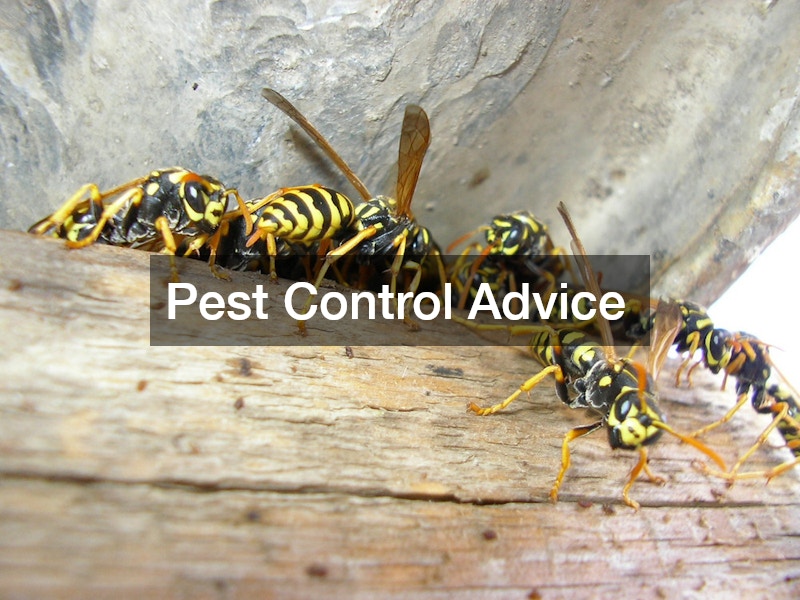
Pests are not only a nuisance but also pose serious health risks if not managed effectively. Effective pest control is crucial for protecting your home and family, preserving your home’s structural integrity, and enhancing the quality of life.
1. Effective Methods for Controlling Common Household Pests
Controlling pests requires a multifaceted approach, including preventive and responsive strategies such as regular cleaning, proper waste management, and sealing entry points. Combining natural and chemical remedies with good sanitation yields the best results.
1.1 Identifying Household Pests
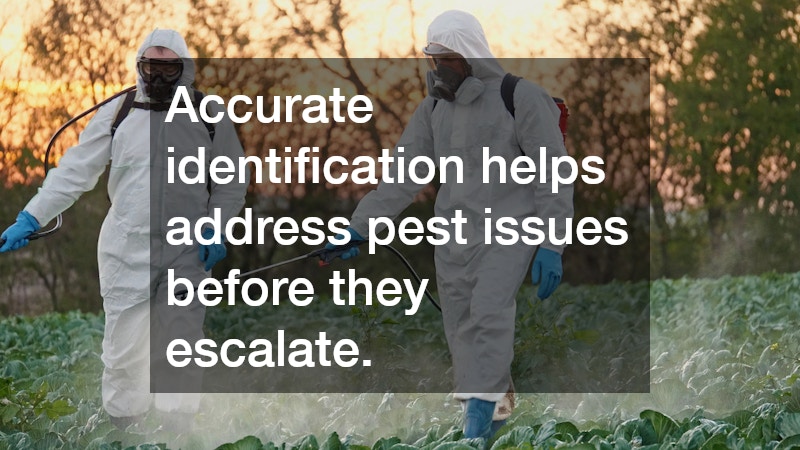
Learn to recognize pests like ants, cockroaches, termites, and rodents. Accurate identification helps address pest issues before they escalate.
1.2 Preventive Measures
Prevention reduces the need for drastic measures. Maintain cleanliness, repair leaks, and install window/door screens to deter pests.
1.3 Natural Remedies
Many prefer natural remedies such as diatomaceous earth and essential oils like peppermint, which repel pests effectively without harsh chemicals.
1.4 Chemical Solutions
Sometimes necessary for severe infestations, chemical solutions should be used judiciously and according to instructions. Professional-grade products might need expert handling.
1.5 Professional Pest Control Services
Professional exterminators provide specialized tools and insights, particularly useful for managing difficult pests like termites or bedbugs.
2. Pest Control in Outdoor Spaces
Garden and outdoor areas need management to prevent pests. Use organic methods and plant pest-repellent species to keep critters at bay. Ensure good drainage to prevent stagnant water.
2.1 Garden Pest Management
Organic pesticides, natural predators, and crop rotation are effective for garden management.
2.2 Pest-Repellent Landscaping
Plants like marigolds and lavender repel pests naturally and can enhance garden resilience.
2.3 Safe Use of Outdoor Pesticides
Cautiously use biodegradable pesticides following safety guidelines to minimize environmental impact.
2.4 Wildlife and Pest Control
Deter animals like raccoons by securing trash cans and removing food sources. Use humane deterrents like motion-activated sprinklers.
2.5 Managing Water Sources
Prevent standing water to reduce mosquito breeding. Repair leaks and clear gutters to manage water effectively.
3. Safe Pest Control for Homes with Children and Pets
Non-toxic methods are important for family safety. Integrated Pest Management (IPM) strategies help create a safer environment with regular monitoring.
3.1 Non-Toxic Solutions
Use boric acid, essential oils, sticky traps, and ultrasonic repellents as kid-and-pet-friendly options.
3.2 Integrated Pest Management (IPM)
IPM emphasizes understanding pest life cycles and reducing chemical reliance with sanitation and biological controls.
3.3 Safe Use of Store-Bought Products
Ensure products are safe for families by reading labels and seeking professional advice when necessary.
3.4 Monitoring and Maintenance
Regular inspections and maintenance help manage pest problems before they escalate.
3.5 Education and Awareness
Teach children about waste disposal and family members about pest identification to foster collective prevention efforts.
4. Recognizing and Responding to Pest Infestations
Recognize infestations by signs like droppings or damage. Promptly implement first response actions to manage issues effectively.
4.1 Recognizing an Infestation
Indicators include unusual odors, fecal droppings, and gnaw marks. Early recognition aids response.
4.2 First Response Actions
Segregate affected areas, secure food, set traps, and call professionals if necessary.
4.3 Long-term Solutions
Create inhospitable environments with regular cleaning and disrupt breeding cycles for sustained control.
4.4 When to Seek Professional Help
Consider experts for large infestations or when DIY efforts fail, to prevent damage and health risks.
4.5 Preventing Future Infestations
Maintain cleanliness, seal entry points, and use natural predators to avoid repeats.
5. Costs Associated with Pest Control
Costs vary. DIY can be cost-effective for minor issues; professionals are better for severe infestations. Budget for regular prevention to minimize costs.
5.1 Factors Affecting Pest Control Costs
Infestation size, treatment complexity, and location affect costs. Know these to prepare financially.
5.2 DIY vs. Professional Services
Weigh the costs and benefits between DIY solutions and professional services for comprehensive results.
5.3 Understanding Pest Control Contracts
Study contracts to understand terms and prevent hidden costs. Compare quotes to ensure value.
5.4 Comparing Treatment Plans
Evaluate individual vs. bundled plans for cost-efficient solutions tailored to needs.
5.5 Budget-Friendly Pest Control Tips
Maintain cleanliness and use homemade solutions to manage pests on a budget.
For a safe and healthy home, employ preventive measures, natural remedies, and, when necessary, chemical solutions. Early signs recognition and cost understanding support efficient management. Informed and proactive efforts lead to a sustainable pest-free home.