
Homeownership is widely considered one of the most effective vehicles for building long-term generational wealth. However, a property is not a static asset. From the day a deed changes hands, natural wear, environmental exposure, and shifting design trends continuously exert pressure on a home’s structural integrity and aesthetic appeal. To protect that equity and ensure steady value appreciation over time, homeowners must adopt a proactive strategy that balances critical structural preservation with modern, functional upgrades.
Far too often, property owners view home improvements solely through the lens of short-term cosmetic fixes. While updating paint colors or hanging decorative light fixtures can offer an immediate visual lift, these surface-level changes do little to protect a home’s market value if the foundational systems beneath them are deteriorating. A compromised roof deck, subterranean pest infestation, or failing septic field can erase tens of thousands of dollars in property equity overnight. Conversely, neglecting interior layout flow and storage efficiency can leave a home feeling dated, less functional, and uncompetitive in the modern real estate market.
A truly strategic approach to home maintenance and modernization treats the property as an interconnected ecosystem. By systematically addressing structural shields, subsurface utility infrastructure, high-traffic interior wet zones, custom storage solutions, and outdoor living environments, you safeguard your investment against costly emergencies while elevating your daily living experience. This comprehensive guide outlines the essential home investments required to preserve your asset’s structural health, modernize its interior spaces, and maximize long-term resale value.
Fortifying the Structural Shield: Roofing and Framing Integrity

The roof is your home’s primary defense against rain, snow, wind, and solar radiation. When a roofing system operates at peak performance, it sheds water efficiently, regulates attic temperatures, and protects structural framing from rot and mold. Once a roof begins to fail, water intrusion can quietly ruin insulation, decay roof trusses, stain ceilings, and compromise electrical systems long before a leak becomes visible indoors.
Assessing Overhead Vulnerabilities and Material Lifespans
Maintaining overhead protection requires consistent inspection and timely minor repairs. Homeowners should establish a habit of conducting bi-annual attic and roof inspections, particularly following severe weather events or heavy seasonal transitions.
-
Attic Interior Checks: Inspect insulation for localized dampness, water staining along rafter boards, or sunlight shining through decking gaps during daylight hours.
-
Flashing and Seal Evaluation: Check metal flashing around chimneys, skylights, plumbing vents, and roof valleys where water flow is heaviest.
-
Shingle Degradation Signals: Look for curling edges, bald spots caused by granule loss, cracked tabs, or moss growth that traps moisture against underlayment layers.
-
Proactive Repairs: Partnering with qualified professionals for routine maintenance and specialized roofing services ensures that damaged shingles, loose flashing, and compromised pipe boots are repaired before moisture penetrates the structural decking.
Selecting Durable Materials for Long-Term Weather Resistance
When full replacement becomes necessary, selecting high-grade materials and ensuring proper installation techniques will drastically extend the system’s operational lifespan and improve energy efficiency.
Modern high-performance roofing options include architectural asphalt shingles rated for 130-mph winds, standing-seam metal panels that reflect radiant solar heat, and durable synthetic slate options. Sourcing reputable roofing service guarantees that critical underlying components—such as ice and water shields along eaves, synthetic water-resistant underlayments, ridge vents, and drip edges—are installed strictly to manufacturer specification. Proper attic intake and exhaust ventilation balance prevents ice dams in winter, reduces attic heat buildup during summer, and helps maintain indoor comfort year-round.
Protecting Property Foundations and Hidden Infrastructure
Underneath decorative floor finishes and freshly painted drywall lies your home’s structural backbone: footings, foundation walls, floor joists, and load-bearing framing. Preserving these hidden components is paramount. Cosmetic enhancements mean very little if the home’s underlying frame is structurally compromised by moisture, wood-destroying organisms, or uncalculated load alterations.
Safeguarding Wood Structures from Subterranean Threats
In many parts of the country, subterranean pests pose a constant threat to residential timber framing. These organisms work silently inside floor joists, wall studs, and sill plates, frequently causing extensive structural damage before any visible exterior signs appear.
-
Early Warning Indicators: Watch for mud tubes climbing foundation walls, discarded swarmer wings along window sills, hollow-sounding timber when tapped, or blistered wood paint.
-
Moisture Management: Ensure crawlspaces remain dry by installing heavy vapor barriers, maintaining adequate ventilation, and grading soil away from foundation perimeter walls.
-
Timber Separation: Maintain at least a six-inch clearance between exposed wood siding and exterior soil to eliminate direct pest access routes.
-
Professional Interventions: Scheduling an inspection and comprehensive termite treatment establishes protective liquid barriers or specialized baiting systems in surrounding soil, halting active colonies and preventing devastating frame decay.
Managing Heavy Construction and Structural Additions
Expanding a home’s footprint, building an attached garage, or opening interior floor plans by removing load-bearing walls requires precise engineering and skilled labor execution.
Modifying structural elements without professional guidance can result in sagging ceilings, unlevel floors, jammed doors, and severe structural cracking. Contracting fully insured and vetted construction companies ensures that all foundation footings are poured to proper depth, load paths are correctly calculated with steel or engineered laminated beams, and structural work adheres strictly to local building codes. Obtaining proper building permits for major structural changes also protects your property record during future sales transactions.
Modernizing High-Value Interior Spaces: Bathrooms and Surfaces
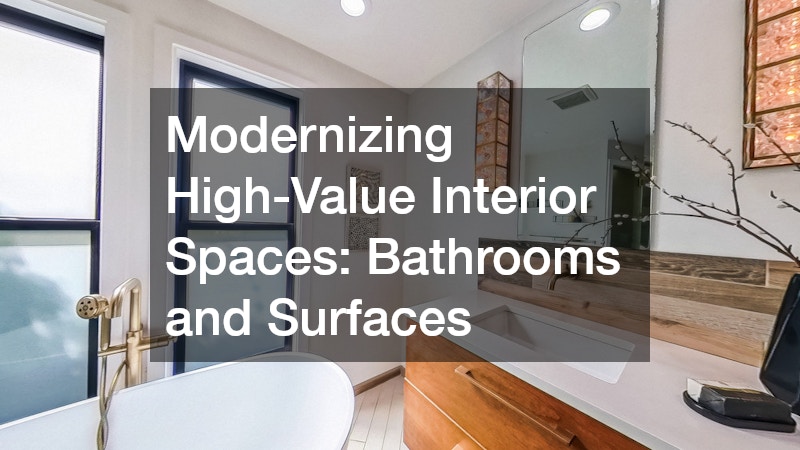
Bathrooms endure more daily wear, moisture exposure, and chemical exposure per square foot than almost any other room in a house. Updating these spaces yields exceptional lifestyle benefits while returning a high percentage of invested capital upon resale, provided the work combines durable waterproofing with modern fixtures.
Designing High-Performance Spa Bathrooms
A successful bathroom remodel combines spa-like aesthetics with rugged, moisture-resistant engineering. Because water can seep through grout lines and hairline tile cracks, proper subsurface preparation is critical to long-term performance.
Executing a high-end bathroom remodeling project involves stripping aged materials down to the framing studs, installing cementitious backer boards, and applying continuous liquid or sheet waterproofing membranes across shower walls and floors. Installing curbless walk-in showers, linear drains, thermostatic shower valves, dual-flush toilets, and radiant floor heating transforms a basic bathroom into a modern, accessible sanctuary that appeals directly to contemporary home buyers.
Restoring Hard Surfaces to Like-New Condition
In bathrooms and kitchens where existing tile installations are structurally sound, a complete teardown is not always necessary to restore aesthetic value.
Over time, porous cementitious tile grout absorbs dirt, hard water minerals, soap scum, and dark mildew, making even expensive natural stone look aged and neglected. Investing in professional tile and grout cleaning utilizes commercial-grade steam extraction, alkaline cleaning agents, and specialized rotating brush equipment to break down embedded grime safely. Following a deep clean with high-performance penetrating sealers or epoxy color sealers protects grout lines from future staining, blocks moisture absorption, and immediately brightens the room at a fraction of full replacement cost.
Upgrading Storage and Style: Kitchen and Built-In Cabinetry
The kitchen remains the undeniable heart of the home. Modern buyers and homeowners expect kitchens to function as seamless culinary workspaces, informal family dining hubs, and elegant entertaining zones. Upgrading cabinetry and storage architecture is one of the single most impactful ways to elevate both interior style and daily functional workflow.
Optimizing Layouts with Custom Architectural Storage
Outdated kitchen cabinets often feature shallow shelves, fixed racks, and awkward corner spaces that create cluttered countertops and wasted vertical storage capacity.
-
Full-Extension Drawers: Replace lower base cabinets with deep drawers that pull out completely, offering effortless access to heavy cookware.
-
Tall Pantry Integration: Install floor-to-ceiling pantry units equipped with adjustable, pull-out wire or wooden baskets to maximize food storage density.
-
Specialized Hardware: Add corner lazy susans, vertical tray dividers, spice pull-outs, and integrated recycling/trash drawer roll-outs.
-
Built-In Home Storage: Working with established cabinet companies allows homeowners to extend cohesive cabinetry styles beyond the kitchen into mudroom drop zones, living room entertainment centers, and custom walk-in closets.
Sourcing Premium Kitchen Solutions for Daily Use
When selecting new kitchen cabinetry, materials matter. Mass-market particleboard cabinets can swell, warp, and delaminate when exposed to humidity, steam, or accidental plumbing leaks under sinks.
Partnering with experienced local kitchen cabinet companies provides access to premium solid-wood face frames, durable plywood box construction, solid-hardwood dovetail drawer boxes, and high-performance soft-close drawer slides. Local specialists can design custom or semi-custom door profiles, integrated appliance panels, and custom islands tailored directly to your room’s dimensions, ensuring high-traffic durability and superior visual appeal.
Safeguarding Waste Utility Systems and Subsurface Health
While interior finishes capture immediate attention, a home’s underground waste utility system handles critical daily infrastructure needs. For properties relying on private wastewater treatment, neglecting subsurface plumbing components can lead to backed-up drains, ruined flooring, severe health hazards, and catastrophic field repair costs.
Scheduling Preventative Maintenance for Private Utilities
A private wastewater system relies on delicate biological processes and mechanical settling to process household effluent safely before returning filtered water to local soil tables.
Over time, heavier solid waste settles at the bottom of the holding tank as sludge, while floating oils form a top scum layer. If these accumulation layers grow too deep, solids escape the tank and enter the drainfield absorption pipes, clogging soil pores permanently. Scheduling routine septic tank pumping services every three to five years removes accumulated solids, clears inlet and outlet baffles, and prevents system backups. Regular pumping protects the long-term absorption capability of your drainfield, preventing system failure.
Implementing Safe Drain Habits and Field Protection
In addition to scheduled mechanical pump-outs, daily household habits directly influence the operational lifespan of subsurface waste utilities.
-
Chemical Control: Avoid pouring harsh chemical drain cleaners, solvents, paint, or excessive bleach down drains, as these kill the beneficial bacteria needed to break down organic waste.
-
Trash Restrictions: Keep non-degradable wipes, feminine hygiene products, paper towels, and grease completely out of household plumbing.
-
Surface Protection: Keep heavy vehicles, RVs, and construction equipment off the drainfield soil to prevent crushing underground distribution pipes and compacting natural absorption soils.
-
Runoff Diversion: Ensure roof downspouts, driveway drains, and sump pump outlets discharge far away from the absorption bed to prevent soil saturation.
Elevating Exterior Curb Appeal and Outdoor Living Space
First impressions matter tremendously in real estate. A home’s exterior landscaping sets the emotional tone for visitors and prospective buyers before they ever step inside. Transforming standard lawn space into a multi-functional outdoor living environment expands usable square footage and enhances property value.
Master-Planning Functional Outdoor Living Zones
Creating a captivating outdoor environment requires a balance between hardscape entertainment zones, lush plantings, lighting, and effective site drainage.
-
Hardscape Gathering Spaces: Construct pavers, natural stone patios, or composite decks that accommodate outdoor dining tables, built-in outdoor kitchens, and fire pits.
-
Architectural Landscaping: Design tiered planting beds, retaining walls, and privacy hedges that soften building lines and create distinct outdoor “rooms.”
-
Low-Voltage Night Lighting: Install LED path lights, up-lights on mature trees, and step lights on deck risers to boost safety, security, and evening ambiance.
-
Integrated Care: Partnering with a full service landscape contractor ensures that hardscape installation, seasonal lawn care, tree pruning, plant selection, and custom irrigation systems are designed and executed under one cohesive master plan.
Protecting Outdoor Equity with Proper Drainage and Plant Selection
Beyond visual appeal, professional landscape design serves a vital structural role by managing surface stormwater runoff around your home’s foundation.
Improper site grading or inadequate drainage can pool rain water against foundation walls, causing basement dampness, concrete spalling, and soil erosion around footings. A comprehensive landscape plan incorporates French drains, catch basins, subterranean downspout extensions, and swales to direct heavy rainwater away from structures. Combining these drainage systems with native, drought-tolerant plants and organic mulch beds creates a low-maintenance, resilient landscape that thrives through hot summers and harsh winters.
Synthesizing a Long-Term Property Investment Strategy

Preserving and expanding your home’s value is an ongoing process that demands clear vision, consistent maintenance schedules, and strategic financial planning. By taking a holistic approach—fortifying your roof deck, protecting timber frames from subterranean pests, modernizing kitchen and bath spaces, maintaining subsurface utilities, and building functional outdoor living environments—you transform standard maintenance expenses into equity-building investments.
To maximize your return on investment, establish a multi-year property improvement roadmap. Begin by prioritizing core structural and mechanical health: inspect the roof, service subsurface waste utilities, protect against structural pests, and secure foundation integrity. Once structural shields and utilities are fully stabilized, direct capital toward high-impact interior renovations like custom kitchen storage and modern bath retreats. Finally, complete your vision by enhancing exterior curb appeal and outdoor living spaces.
By partnering with licensed, reputable trade specialists and maintaining high standards for materials and execution, your home will remain a safe, comfortable, and luxurious haven for your family today—and a highly valuable, market-ready asset for years to come.